
Best Furniture for Small UK Homes: Space-Saving Sofas, Beds and Dining Sets That Still Look Stylish
To truly understand the UK furniture landscape in 2026, we have to look at the intersection of shifting housing demographics and a new “Value-First” consumer psychology.
The UK furniture market is no longer a monolith; it is a split economy. While the economy tier remains substantial, the premium segment is outperforming the broader market with a projected 5.92% CAGR through 2031. British shoppers are effectively “buying less, but buying better,” treating home furnishings as long-term assets rather than seasonal decor.
Here is an expanded look at the data and design strategies driving these three key areas.
-
Top Sofa Trends: The Return to Material Authenticity
As we move into mid-2026, the “Industrial Luxe” movement is merging with “Organic Modernism.” We aren’t just seeing curves; we are seeing tactile depth.
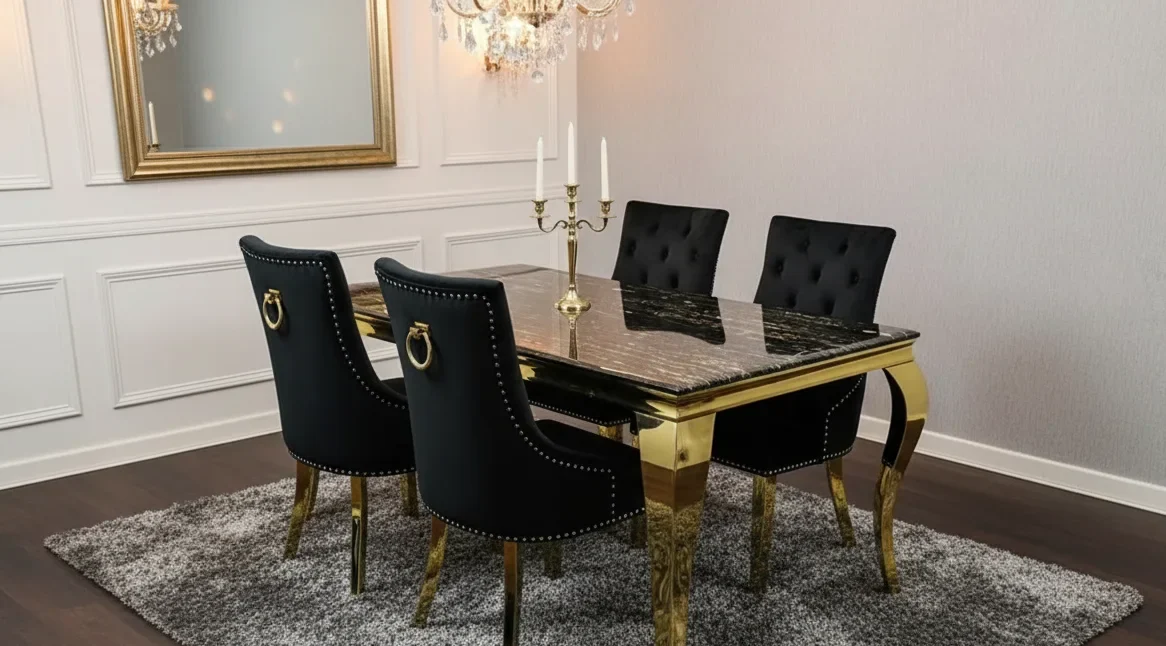
- Tactile Contrasts: The trend for 2026 is pairing “raw” with “refined”—think metallic-edged marble coffee tables set against plush, curved velvet seating.
- The “Thermal” Sofa: Interestingly, a Department for Energy Security study found a 27% rise in purchases of “thermally optimised” upholstery. In the UK, this translates to a preference for high-density natural wools and velvets that provide genuine insulation during the winter months.
- Performance Fabrics: With “pet-parenting” at an all-time high in the UK, the demand for PFC-free, liquid-repellent fabrics has moved from a luxury add-on to a baseline expectation for 61% of living room furniture buyers.
-
Quiet Luxury Bedrooms: The £3,000 “Wellness Utility”
The concept of the bedroom has shifted from a place to sleep to a “recovery suite.” The UK sleep economy is witnessing a “flight to quality,” where the mattress is viewed as a health device. This shift is largely driven by growing awareness of how sleep quality affects physical health recovery, spinal alignment, and mental well-being. As a result, many households now treat mattress selection with the same care given to ergonomic office chairs or supportive footwear, as it aids in reducing back pain, improving posture, and supporting deeper, uninterrupted sleep.
The Rise of “Two-Sided” Sustainability
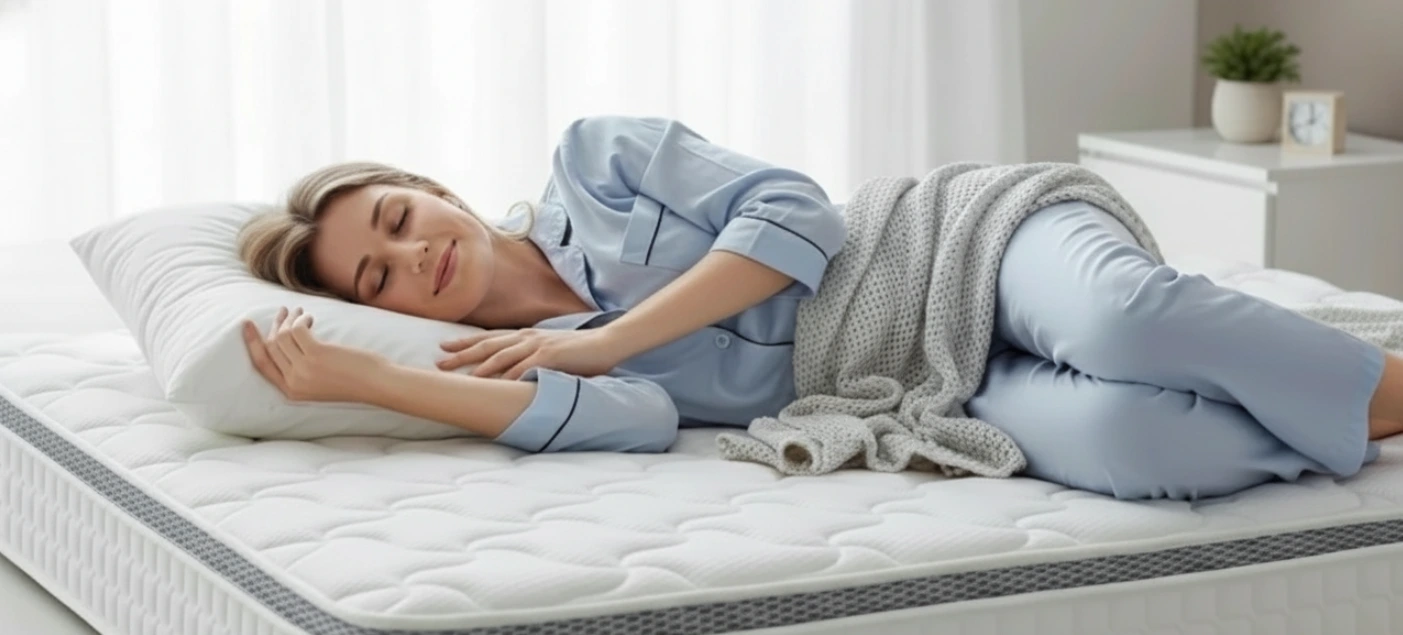
For years, the industry pushed “no-turn” mattresses, which are designed to be slept on from only one side and simply rotated from head to foot rather than flipped over. In 2026, the UK market is swinging back toward two-sided, hand-tufted designs, which are built to be flipped regularly, allowing both surfaces to share the wear. This design makes for even support and prolongs structural integrity.
- Longevity: A two-sided mattress with natural latex and British wool has an expected lifespan of 12–15+ years, compared to the 7–8 years of many pure-foam D2C models.
- GSM Transparency: Discerning UK buyers are now looking for GSM (Grams per Square Metre) ratings for wool and silk layers—a level of detail previously reserved for industry insiders.
- Smart Temperature Regulation: 20% of UK consumers are now actively seeking temperature-regulating sleep products, with demand rising to 30% among the 35–44 age demographic.
-
Small Home Solutions: The “Smart-Scaling” Strategy
The “shrinking” of the UK home is a statistical reality, reflecting rising urban density and the growing number of apartment-led developments in major cities. In major hubs like London and Manchester, we are seeing a boom in Build-to-Rent (BTR) developments, and with floor space becoming more limited, the demand for furniture that can be “flat-packed for delivery but luxury in finish” is accelerating.
Data-Driven Space Saving:
- Search Intent: “Sofa beds” currently lead UK furniture searches with 301,000 monthly queries, followed by “corner sofas” (165,000) and “modular furniture” (27,100).
- The “Visual Lift” Rule: In rooms under 12 square metres, furniture on raised legs (15cm+) is the preferred choice for 70% of interior designers, as it maintains visible floor area and prevents “visual crowding.”
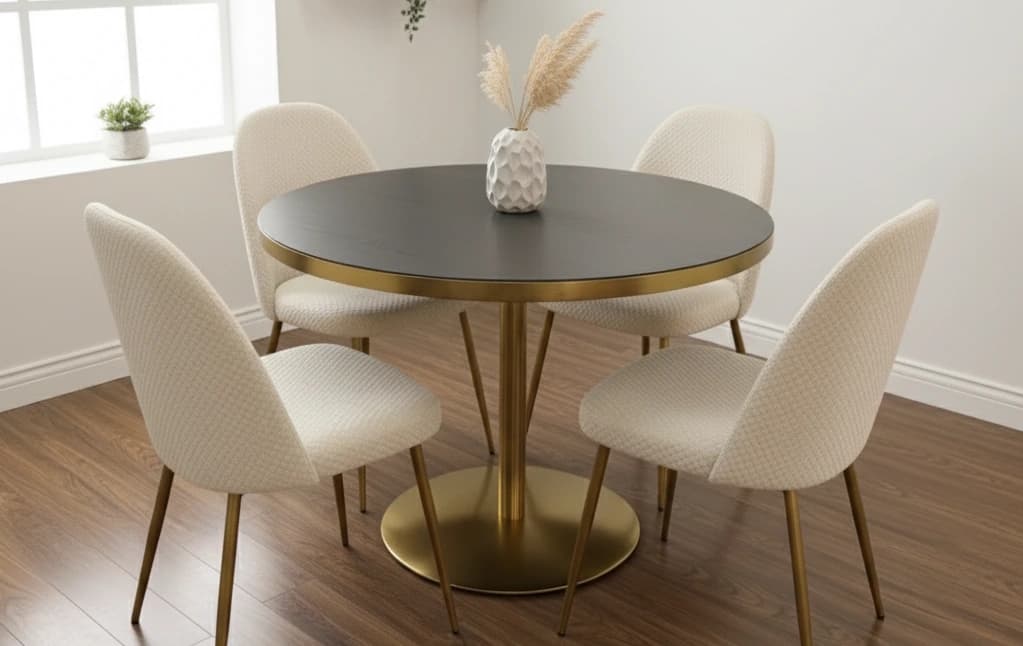
- Dual-Purpose Dining: With hybrid work now a permanent fixture for many, dining tables are being redesigned with integrated cable management and matte, “soft-touch” laminates that reduce glare during video calls while remaining heat-resistant for evening meals.
2026 Market Summary: By the Numbers
| Segment | Estimated 2026 Value | Primary Growth Driver |
| Total UK Furniture Market | $29.69 Billion | Residential Refurbishment & Premiumisation |
| Sustainable Home Furniture | $5.51 Billion | Circular Economy & Eco-Conscious Buyers |
| Home Office Furniture | 3.24% CAGR | Permanent Hybrid Work Models |
| B2C/Retail Channel | 67.2% Market Share | Online-to-Showroom “Omnichannel” Shopping |
The Expert Verdict for 2026
If you are an e-commerce brand, the “sell” in 2026 isn’t price—it’s provenance. 81% of UK furniture businesses are now investing in circular principles (recycling/remanufacturing). To compete, you must showcase your Digital Product Passport (DPP)—providing proof of FSC-certified timber, recycled metals, and fair-labour practices.